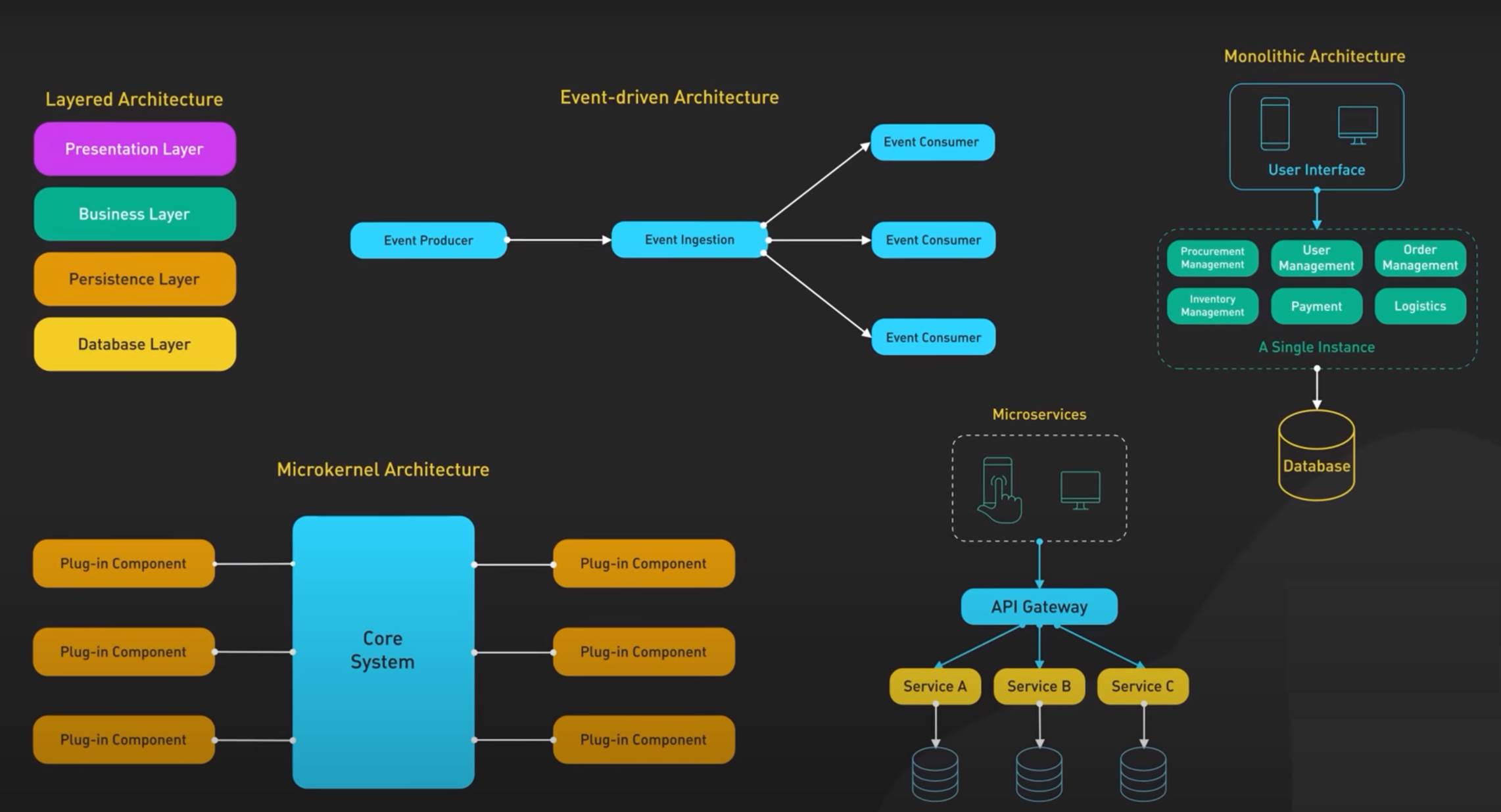
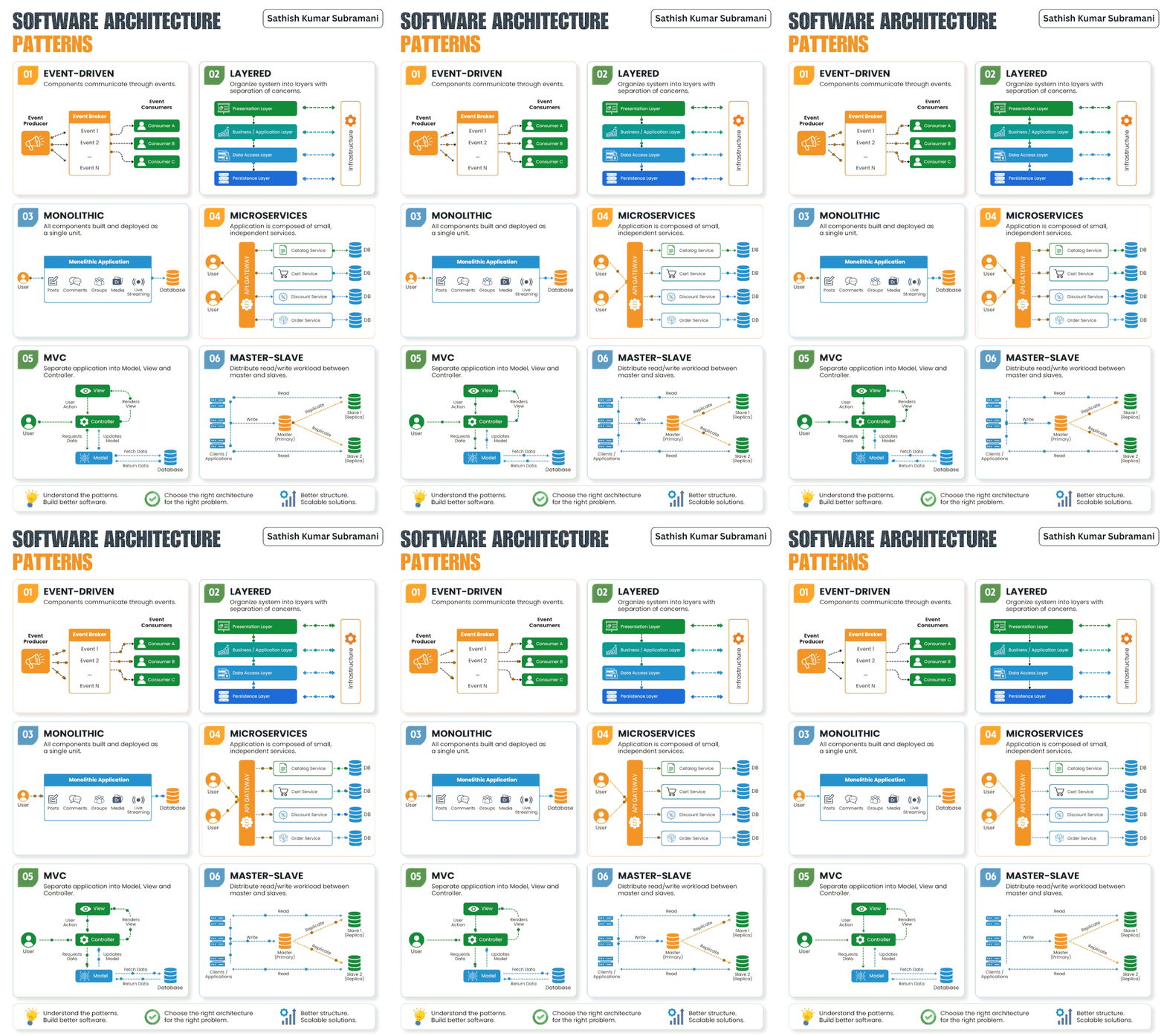
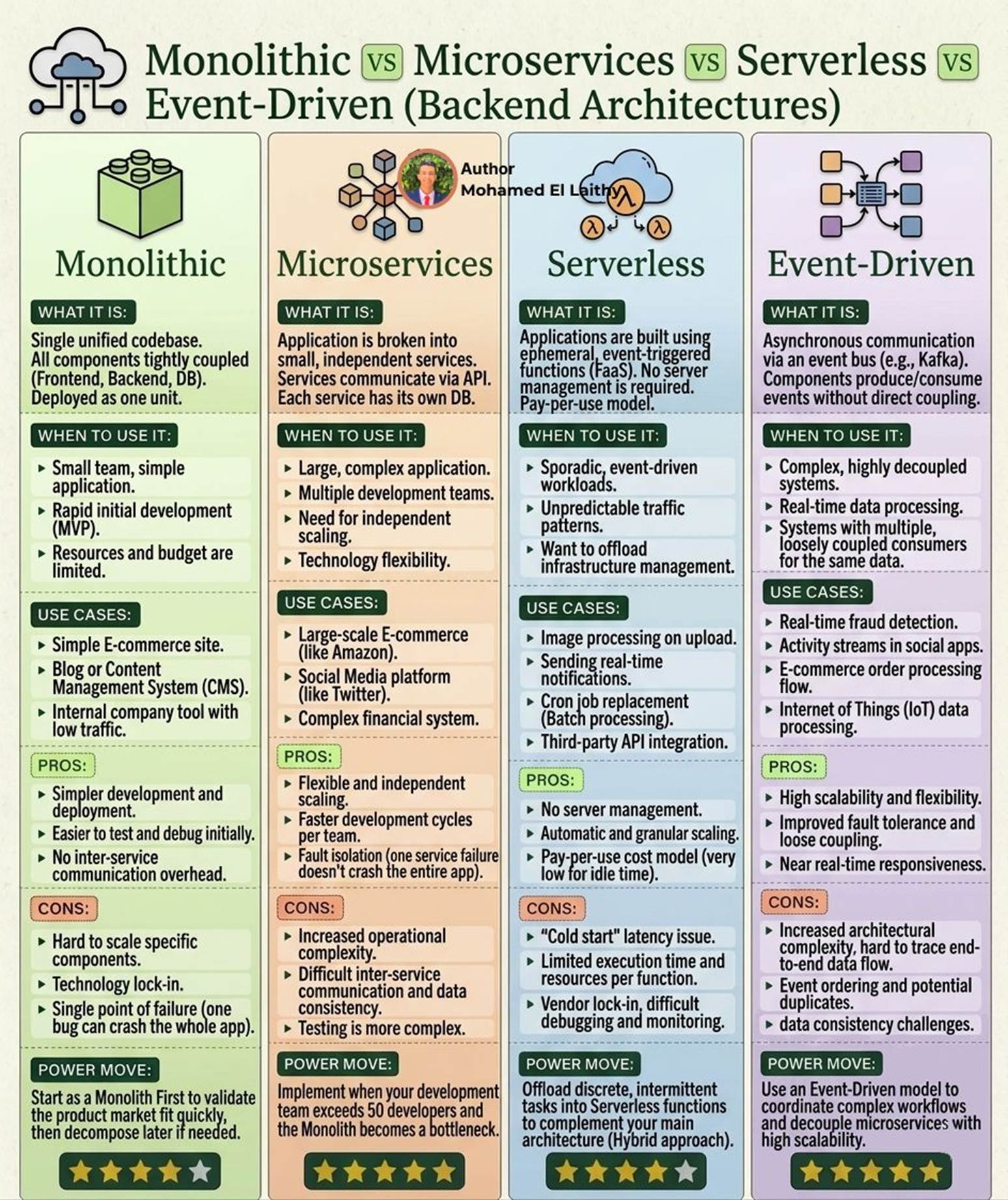
Monolithic, Microservices, Serverless, or Event-Driven?
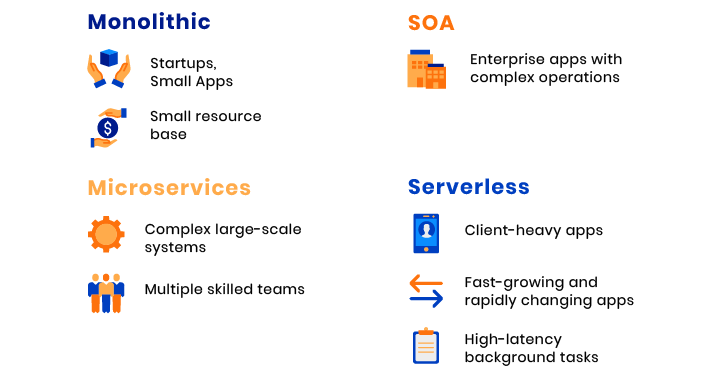
There's no "best" architecture — only the right choice for your
scale, team, and business needs.
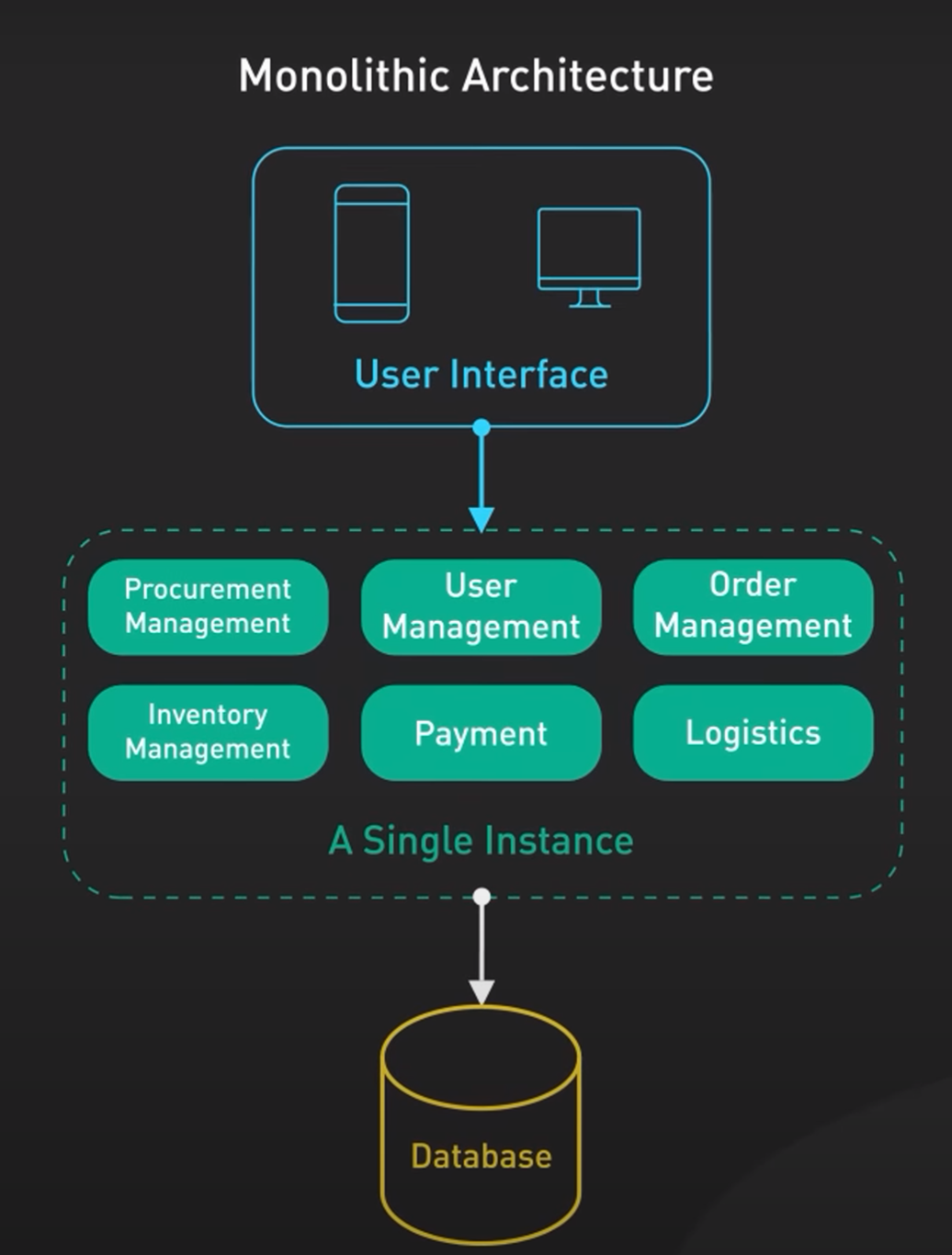
✅ Monolith →
Fast to build and ideal for startups
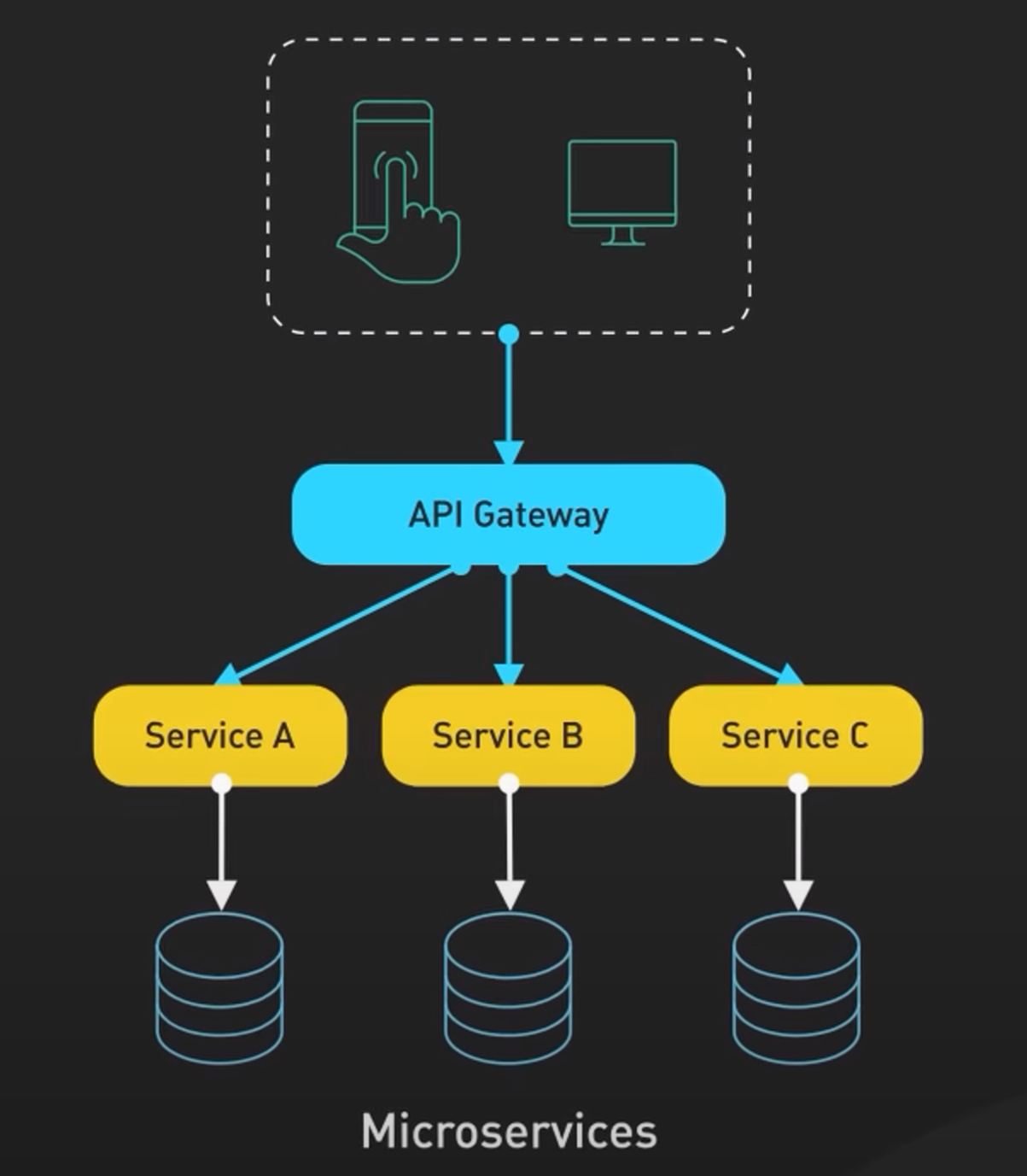
✅ Microservices →
Independent scaling and team autonomy
✅ Serverless →
Pay only for what you use
✅ Event-Driven →
Highly scalable, real-time systems
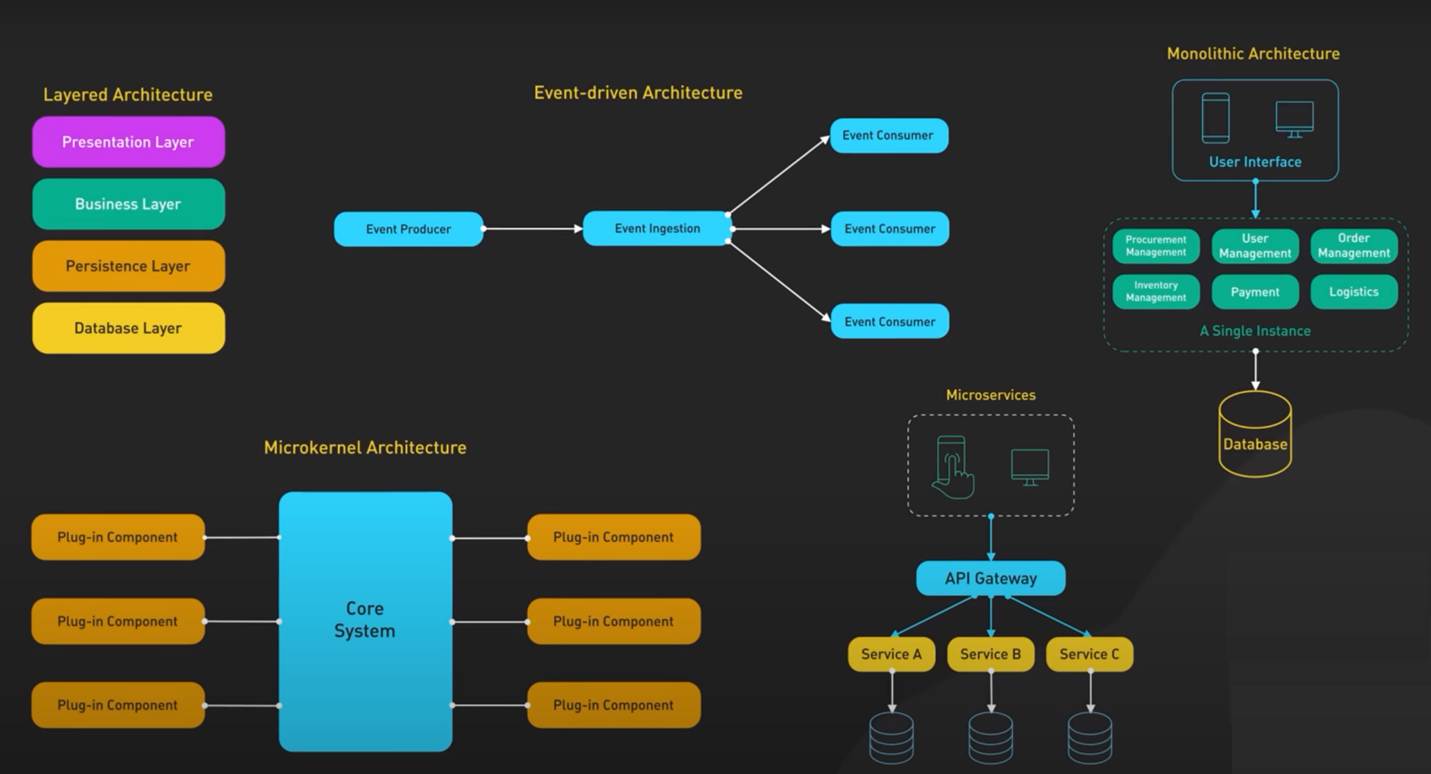
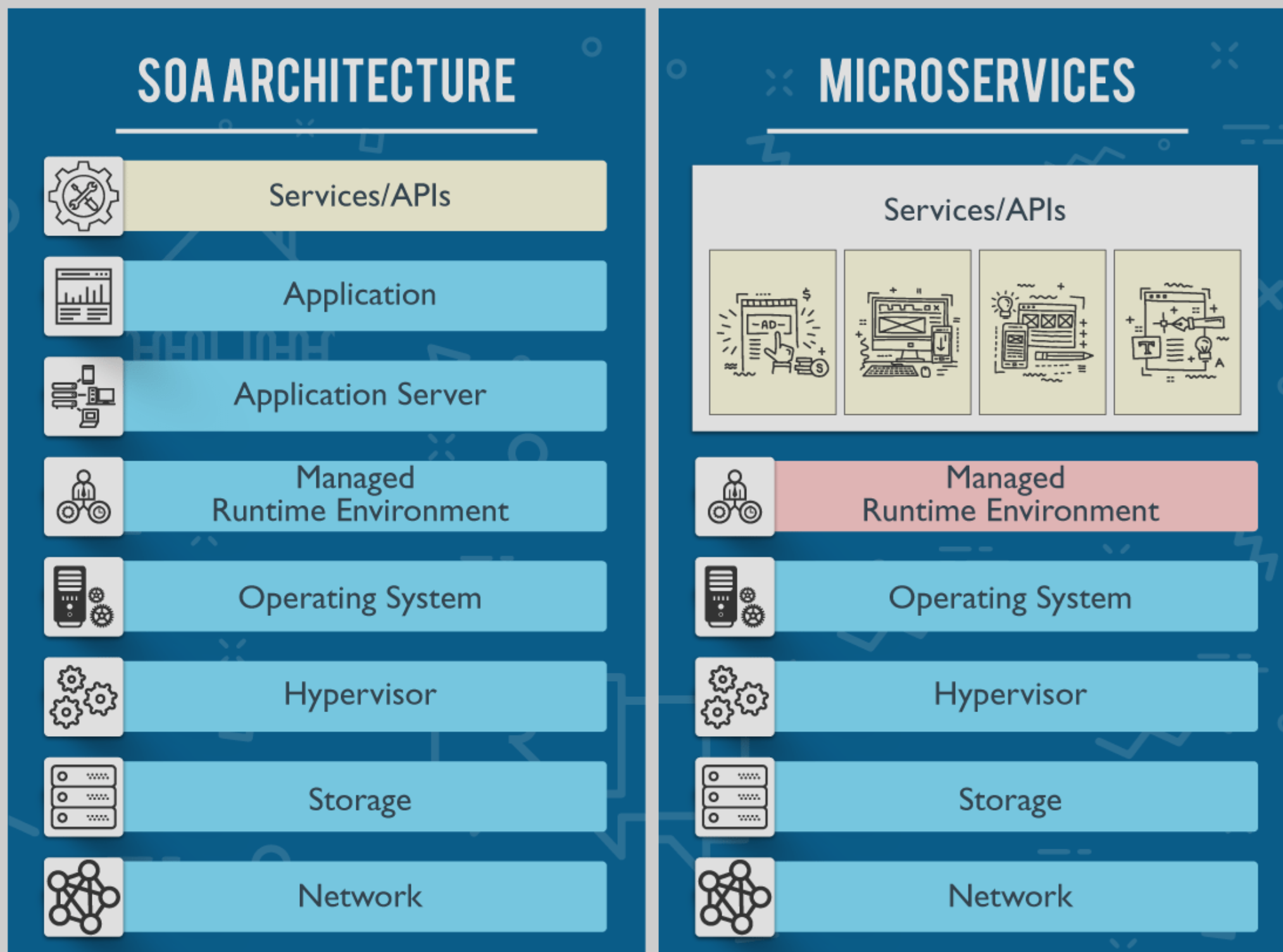
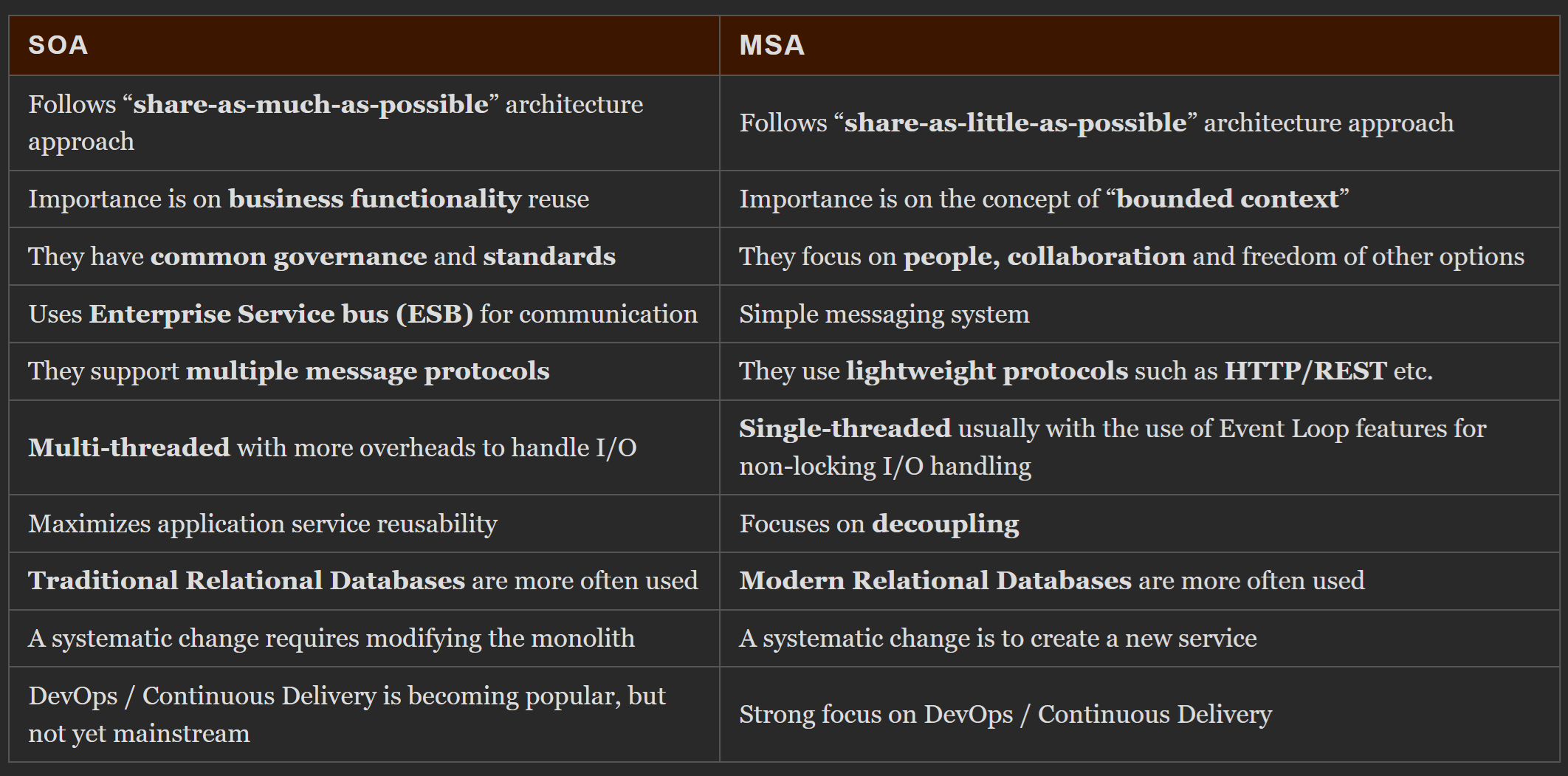
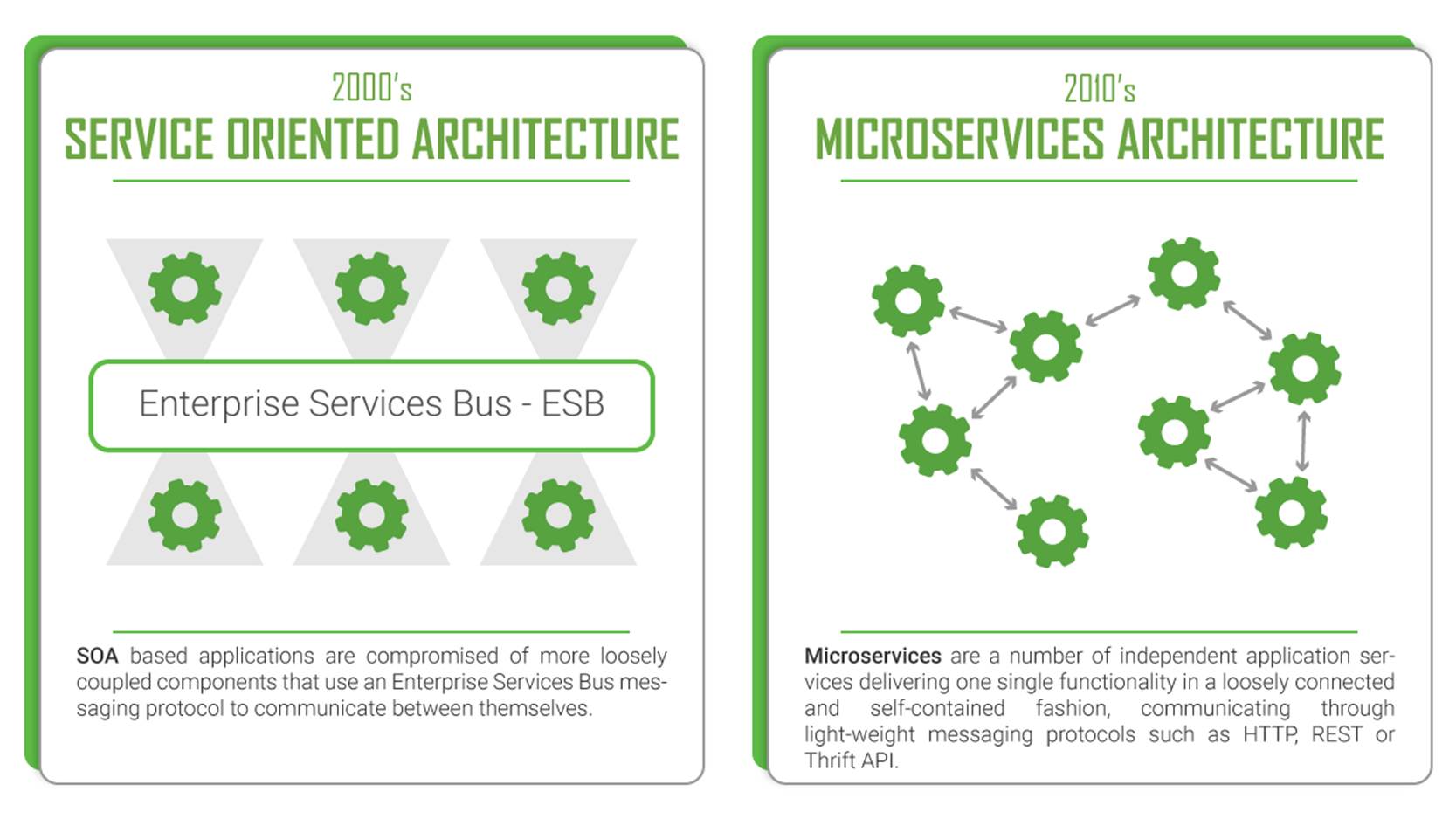

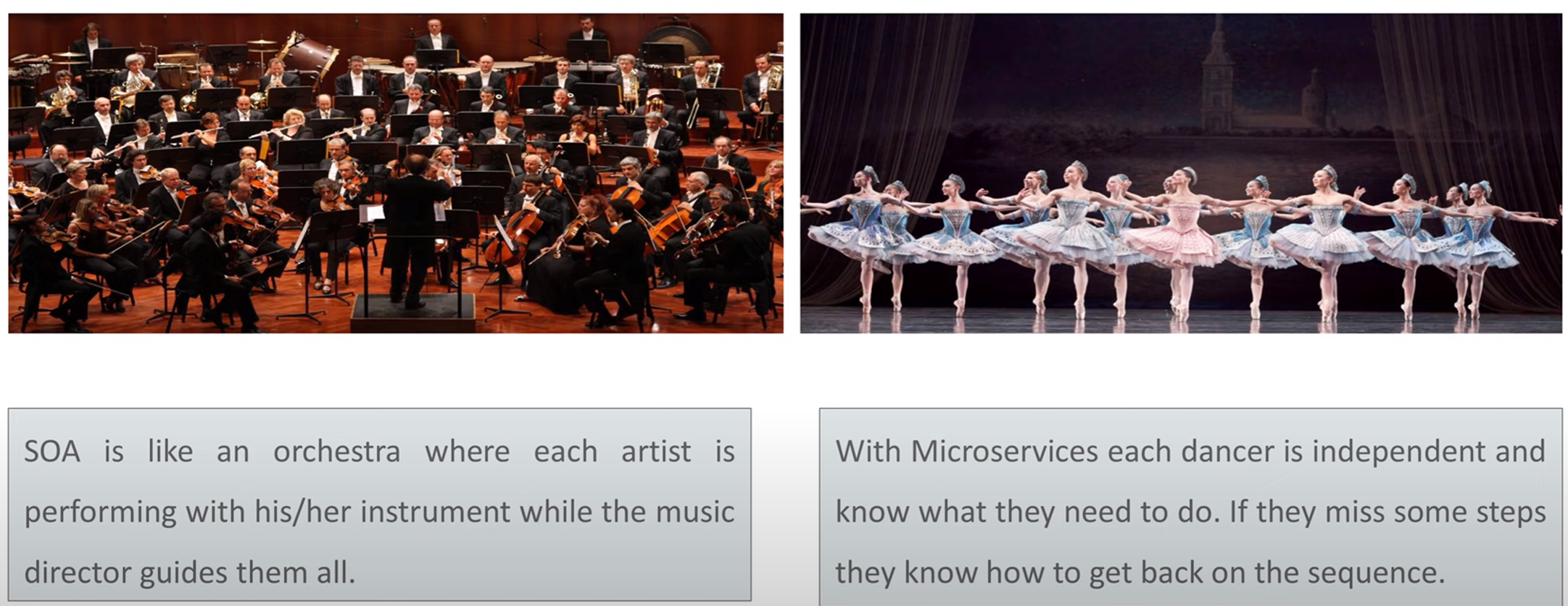
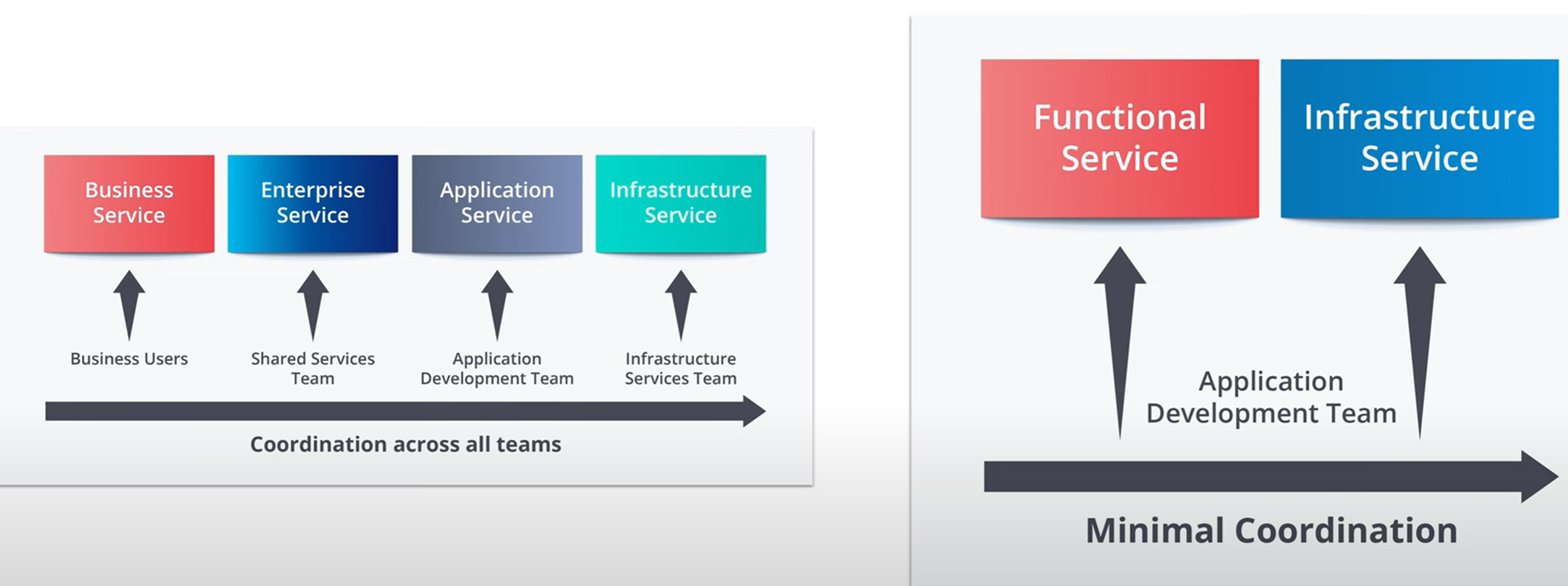
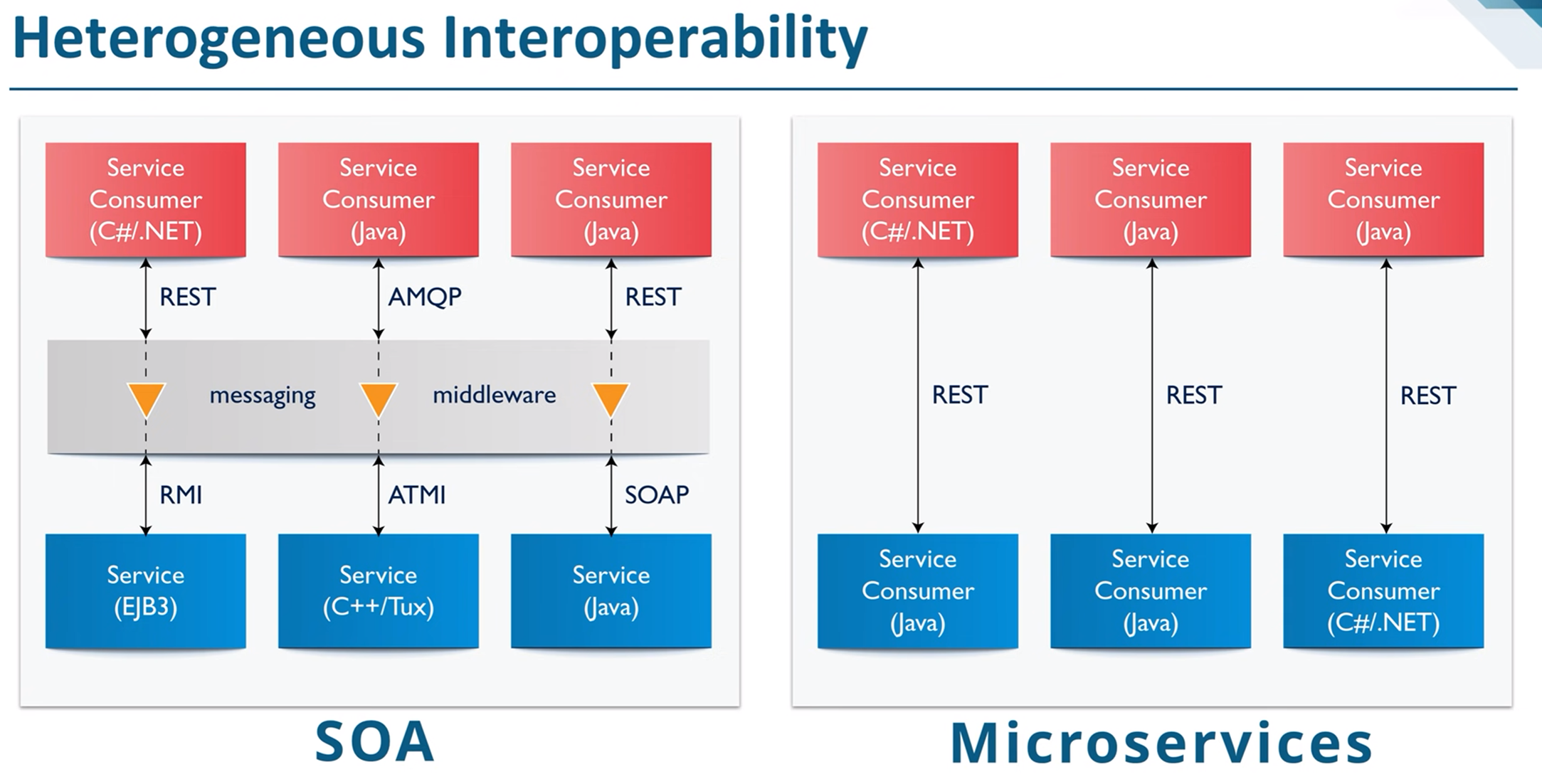
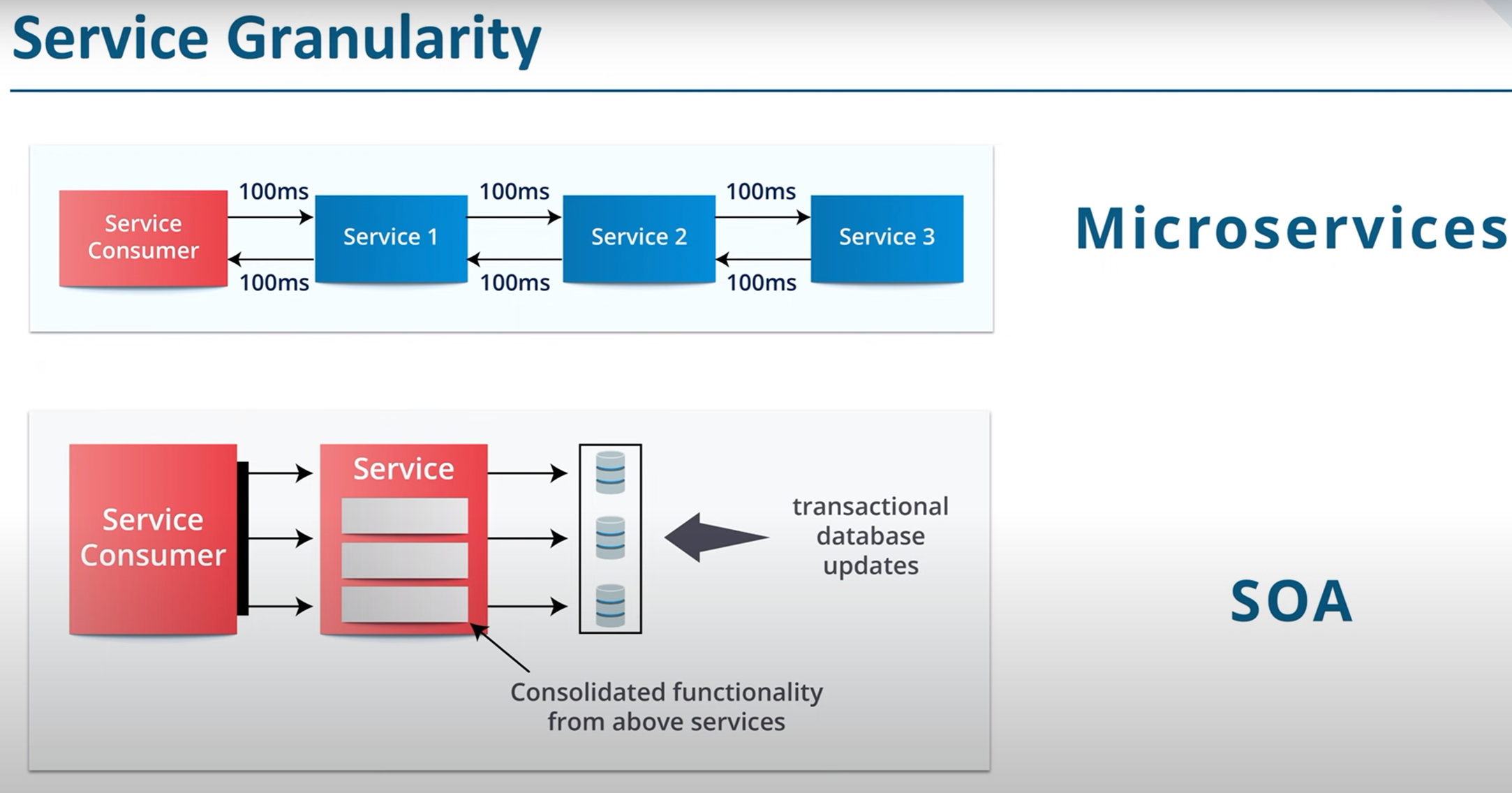
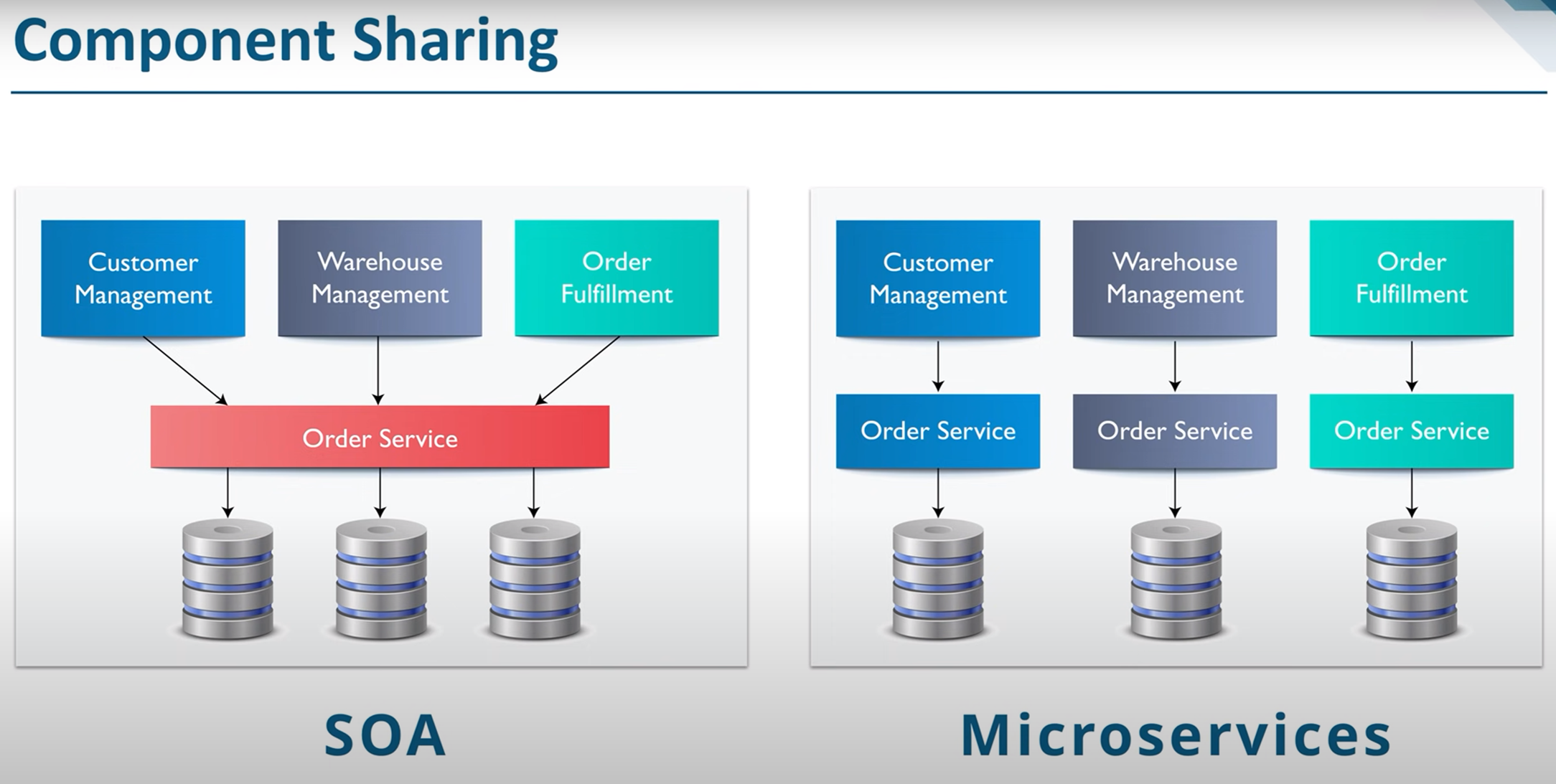
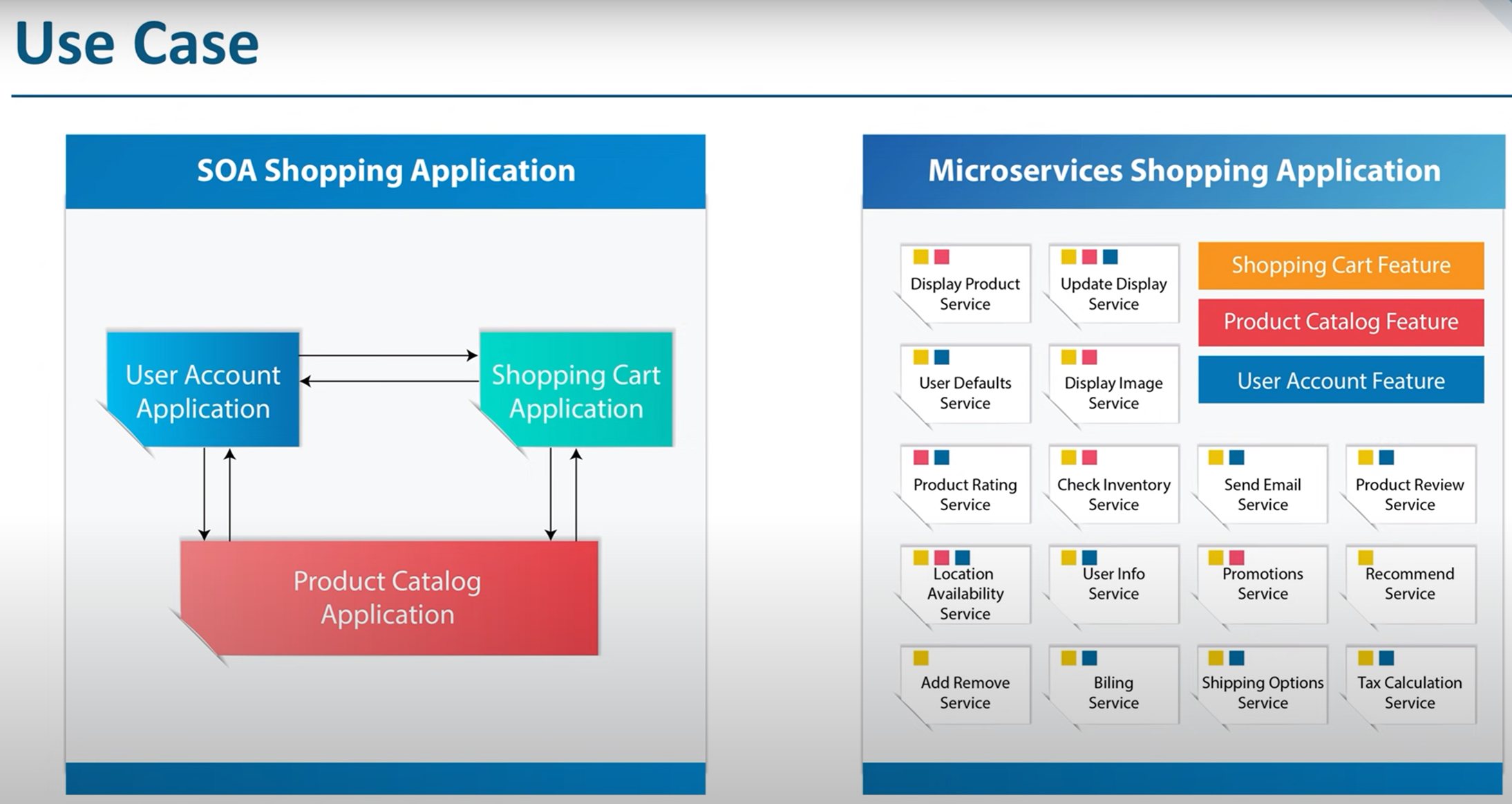
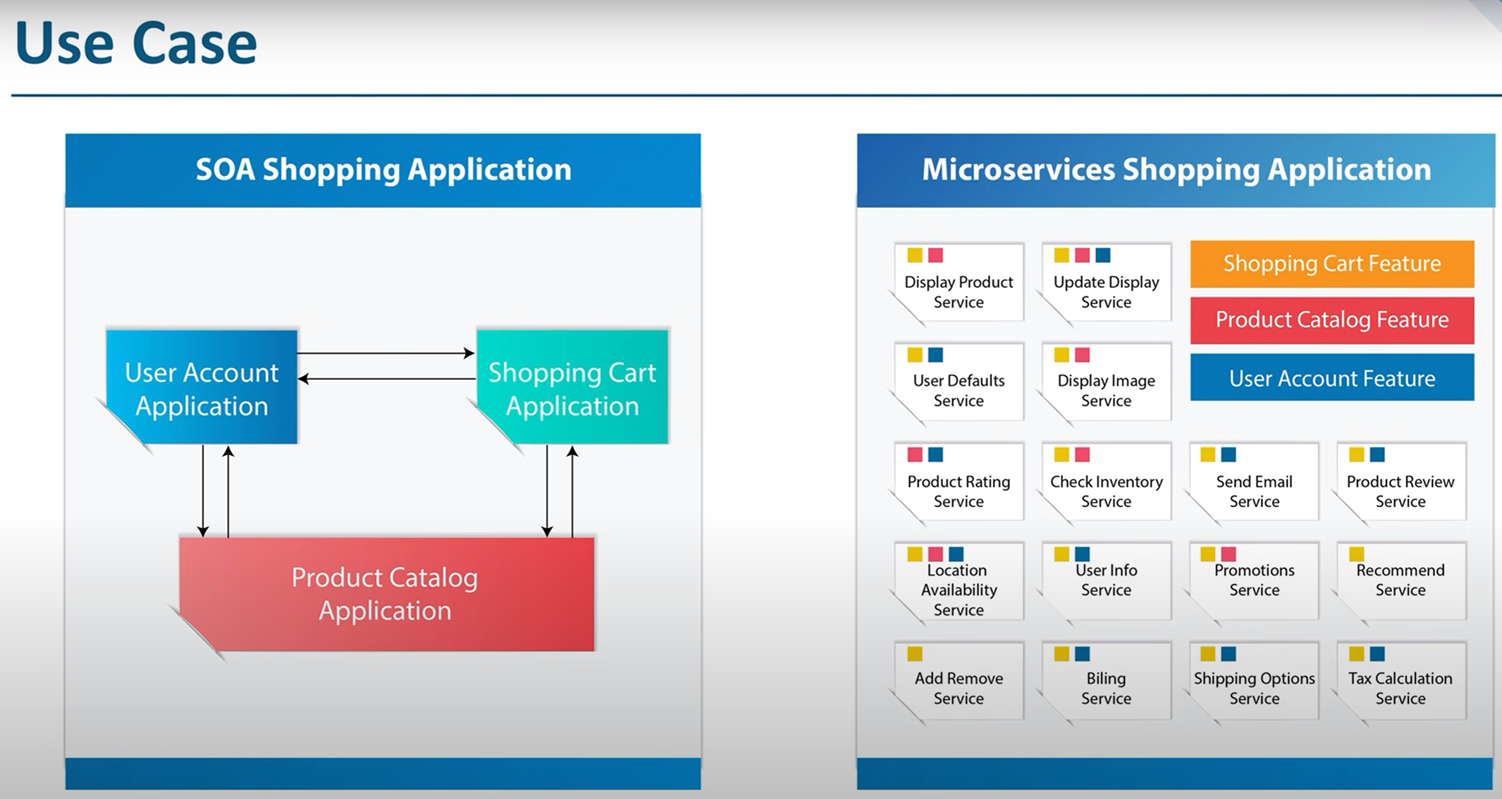
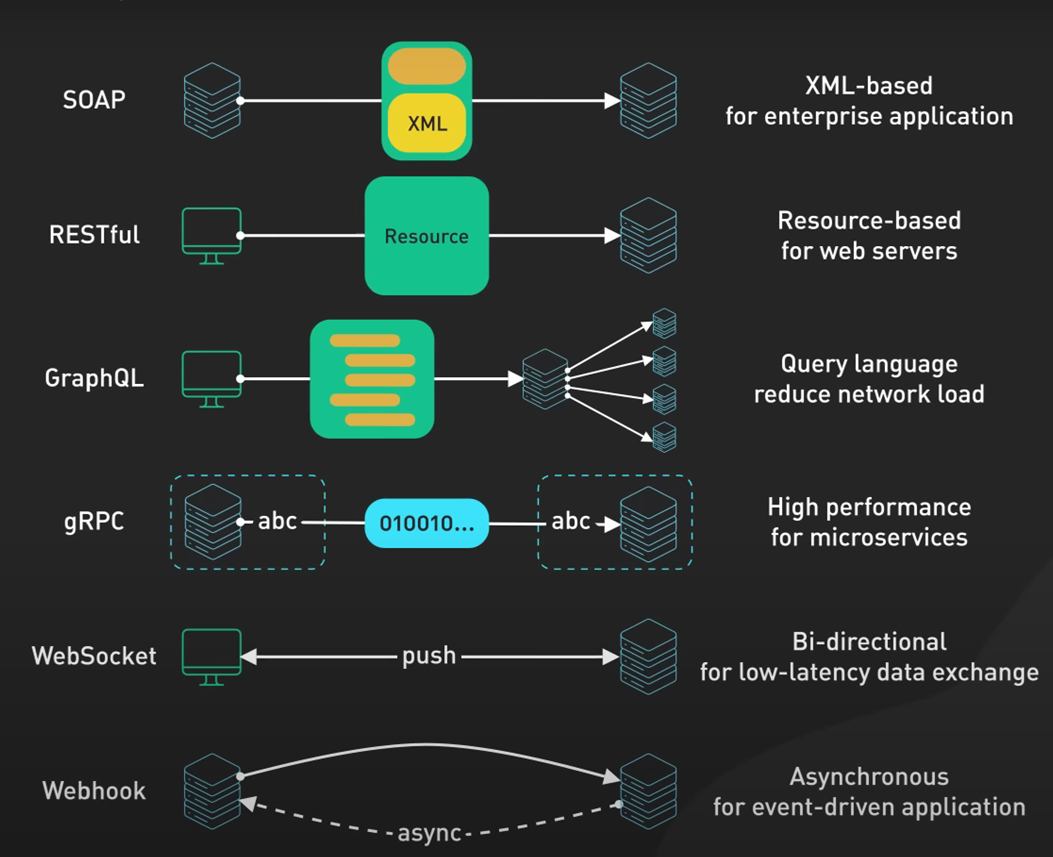
SOA focuses on application service reusability, while Microservices focus more on decoupling.
SOA is monolithic in nature, whereas Microservices is full-stack.
SOA applications are built to perform numerous business tasks, but microservices are built to perform a single business task.
SOA involves sharing data storage between services, while in Microservices, each service can have independent data storage.
SOA is designed to share resources across services, while Microservices is designed to host services that can function independently.
In SOA Architecture, DevOps and Continuous Delivery are becoming popular but yet not become mainstream, while Microservices have a strong emphasis on DevOps and Continuous Delivery.
SOA is a less scalable architecture, while Microservices is a highly scalable architecture.
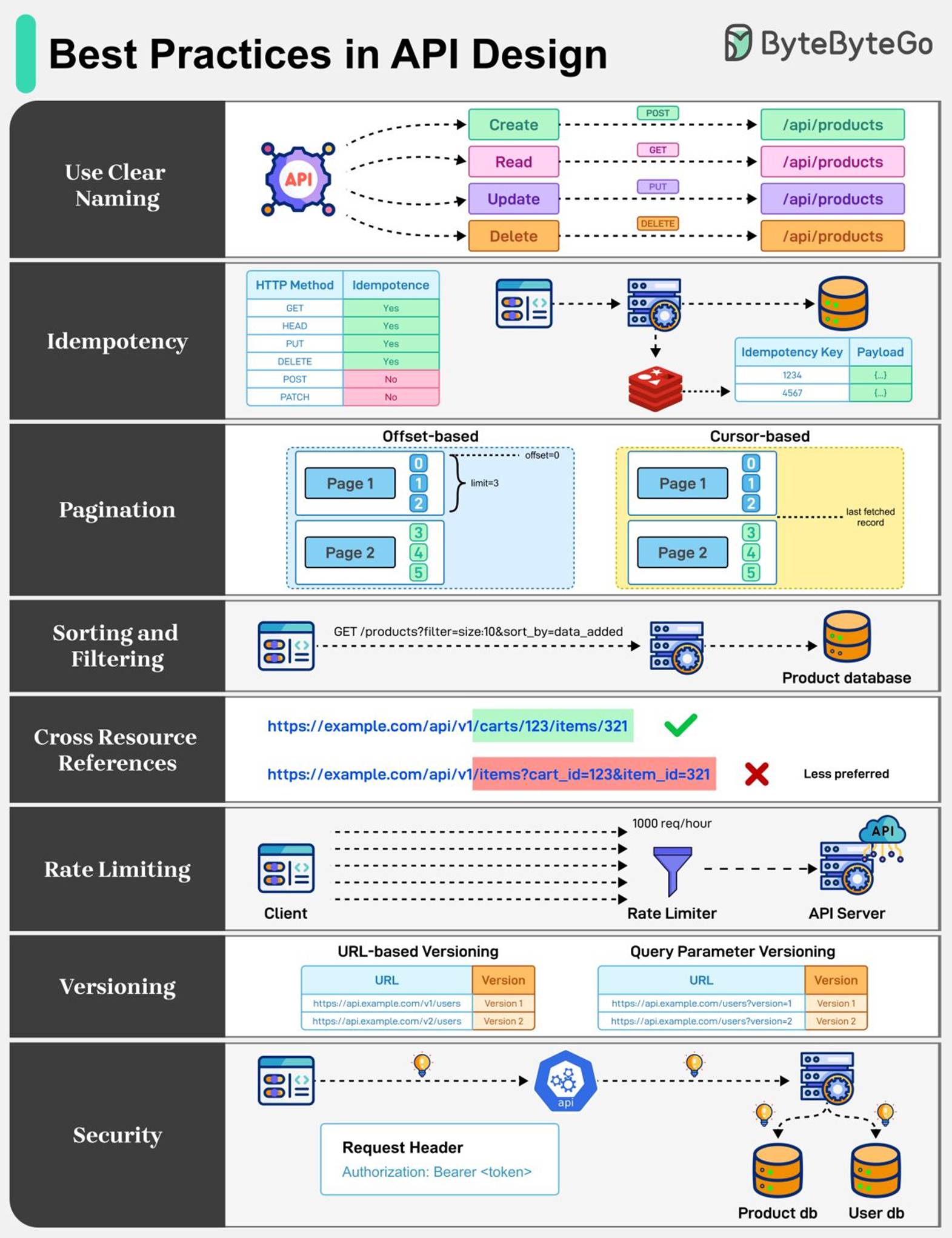
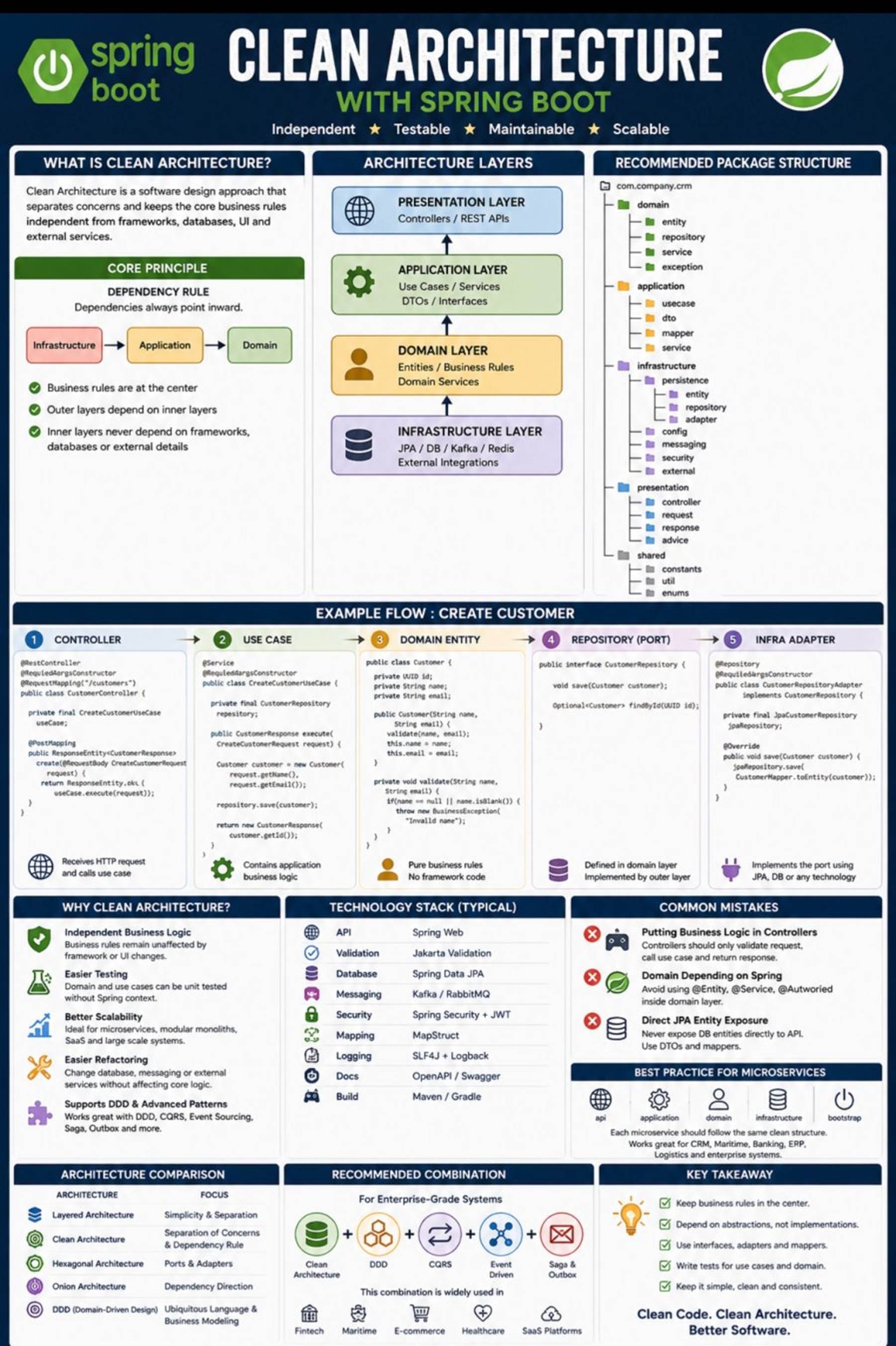
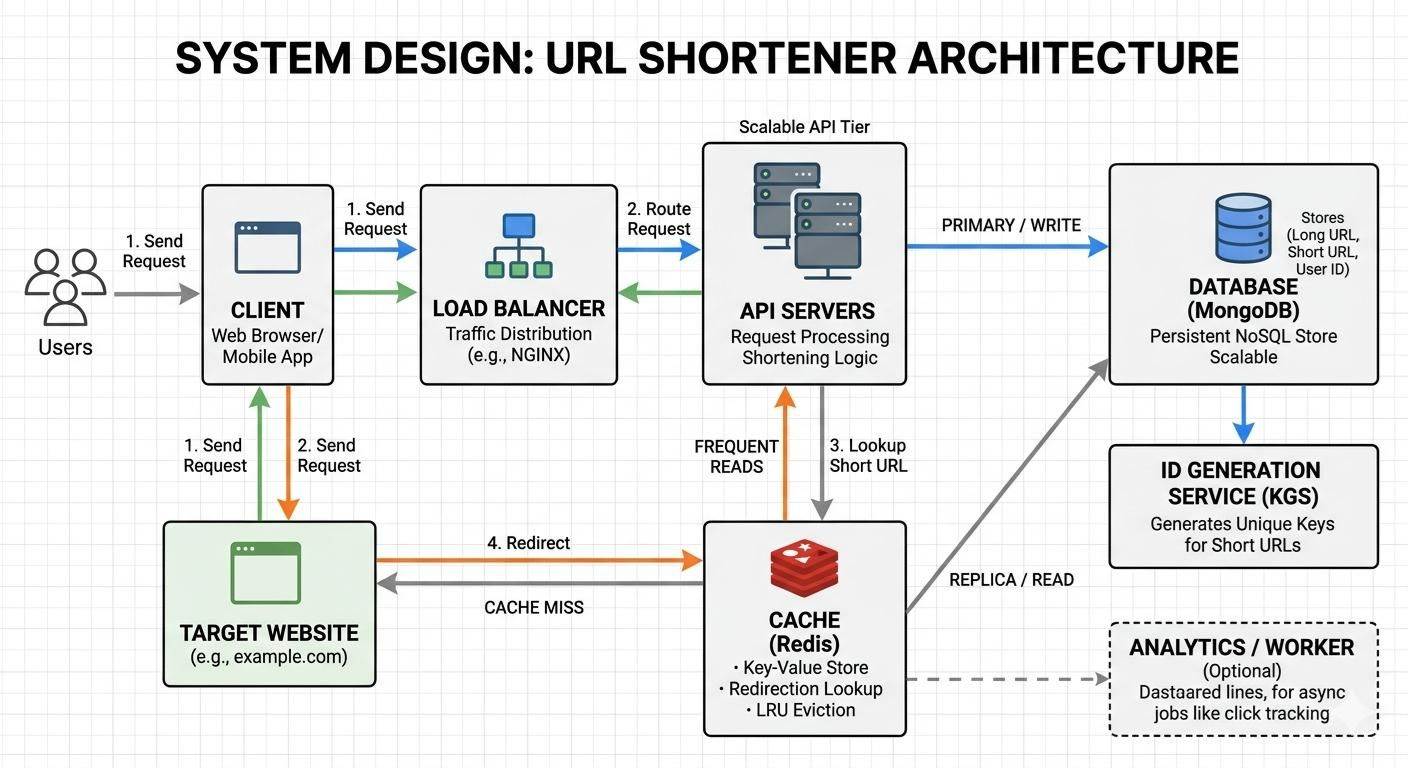

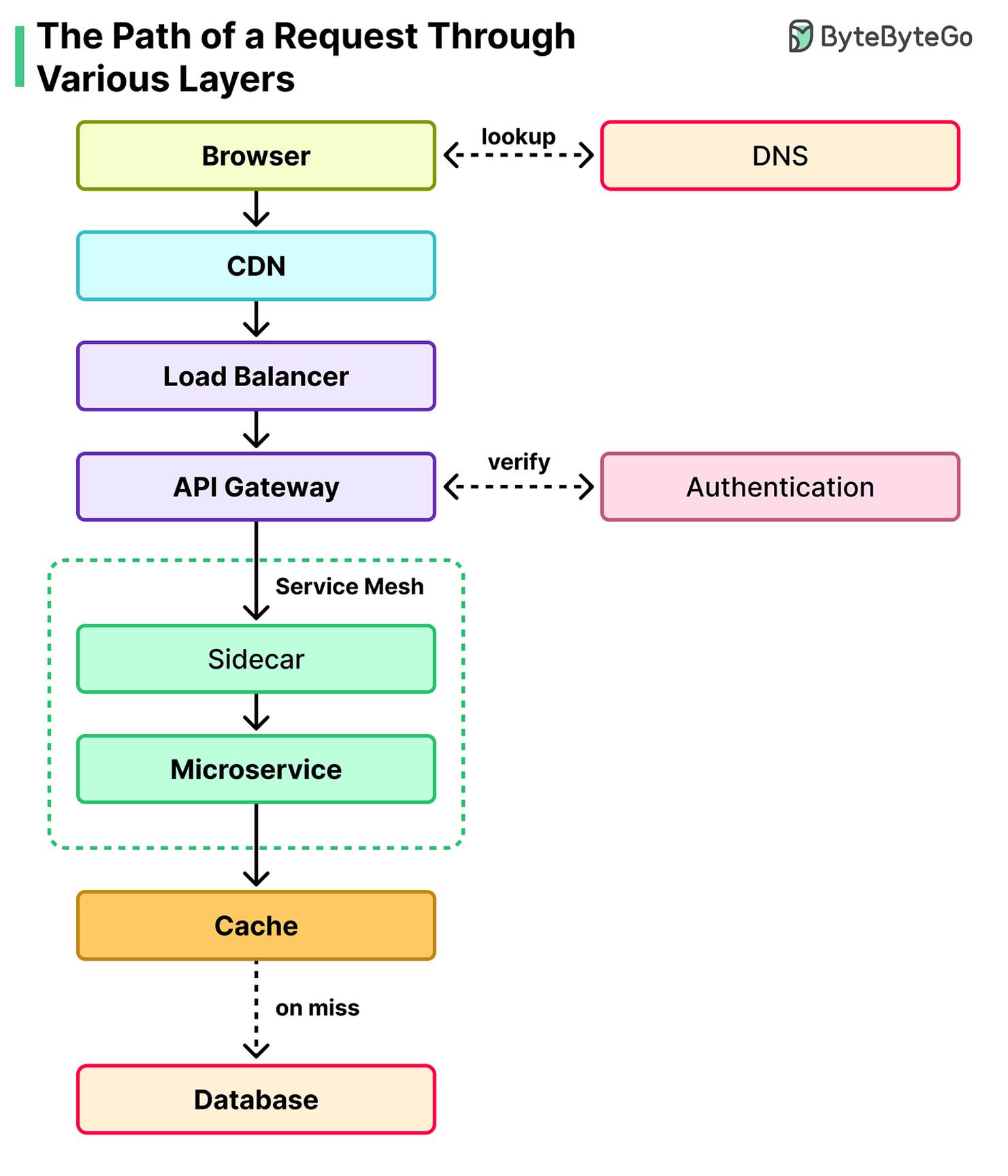
7 𝐂𝐥𝐨𝐮𝐝 𝐀𝐫𝐜𝐡𝐢𝐭𝐞𝐜𝐭𝐮𝐫𝐞 𝐏𝐚𝐭𝐭𝐞𝐫𝐧𝐬 𝐄𝐯𝐞𝐫𝐲 𝐄𝐧𝐠𝐢𝐧𝐞𝐞𝐫 𝐒𝐡𝐨𝐮𝐥𝐝 𝐊𝐧𝐨𝐰 (𝐀𝐧𝐝 𝐖𝐡𝐞𝐧 𝐭𝐨 𝐔𝐬𝐞 𝐓𝐡𝐞𝐦)
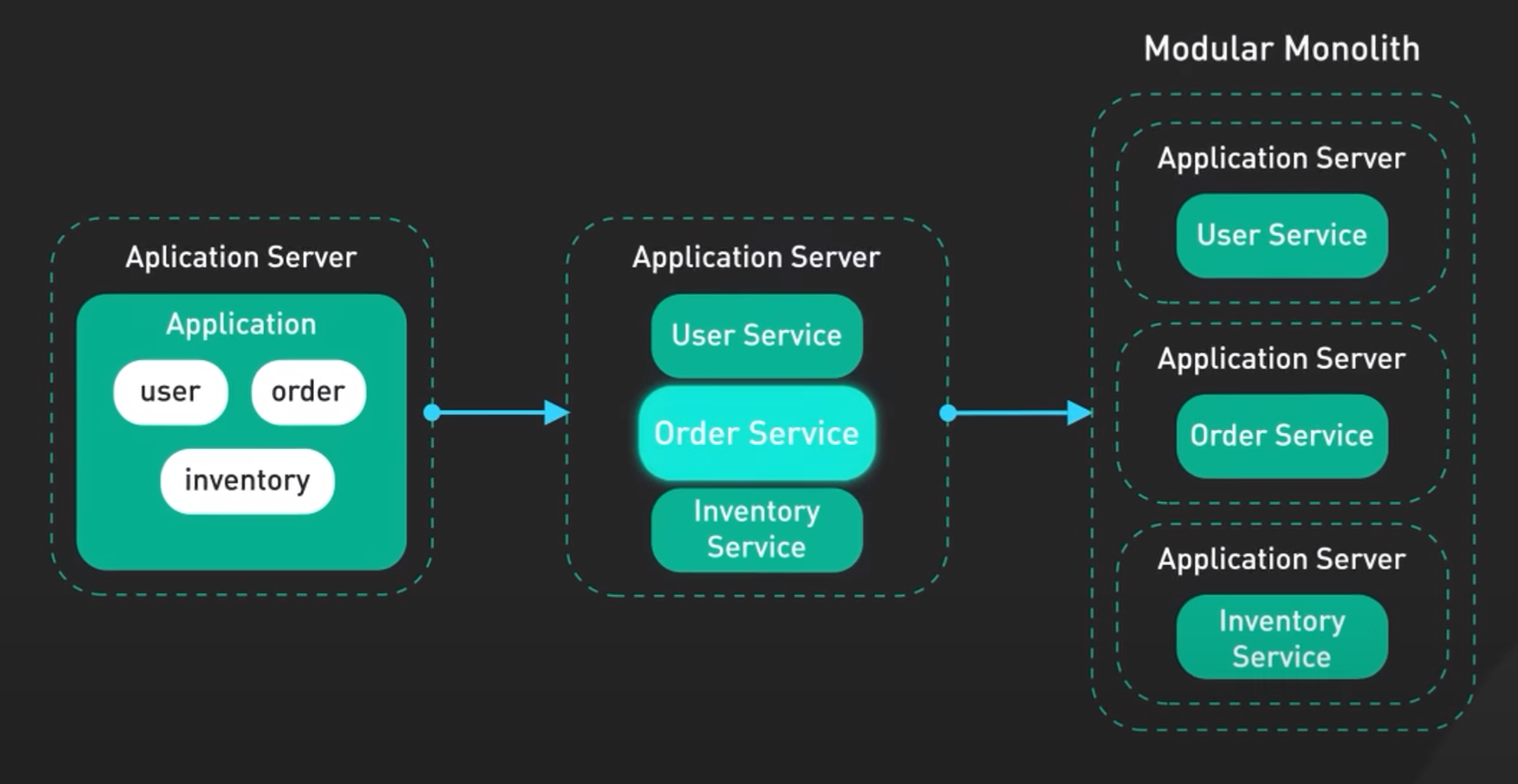
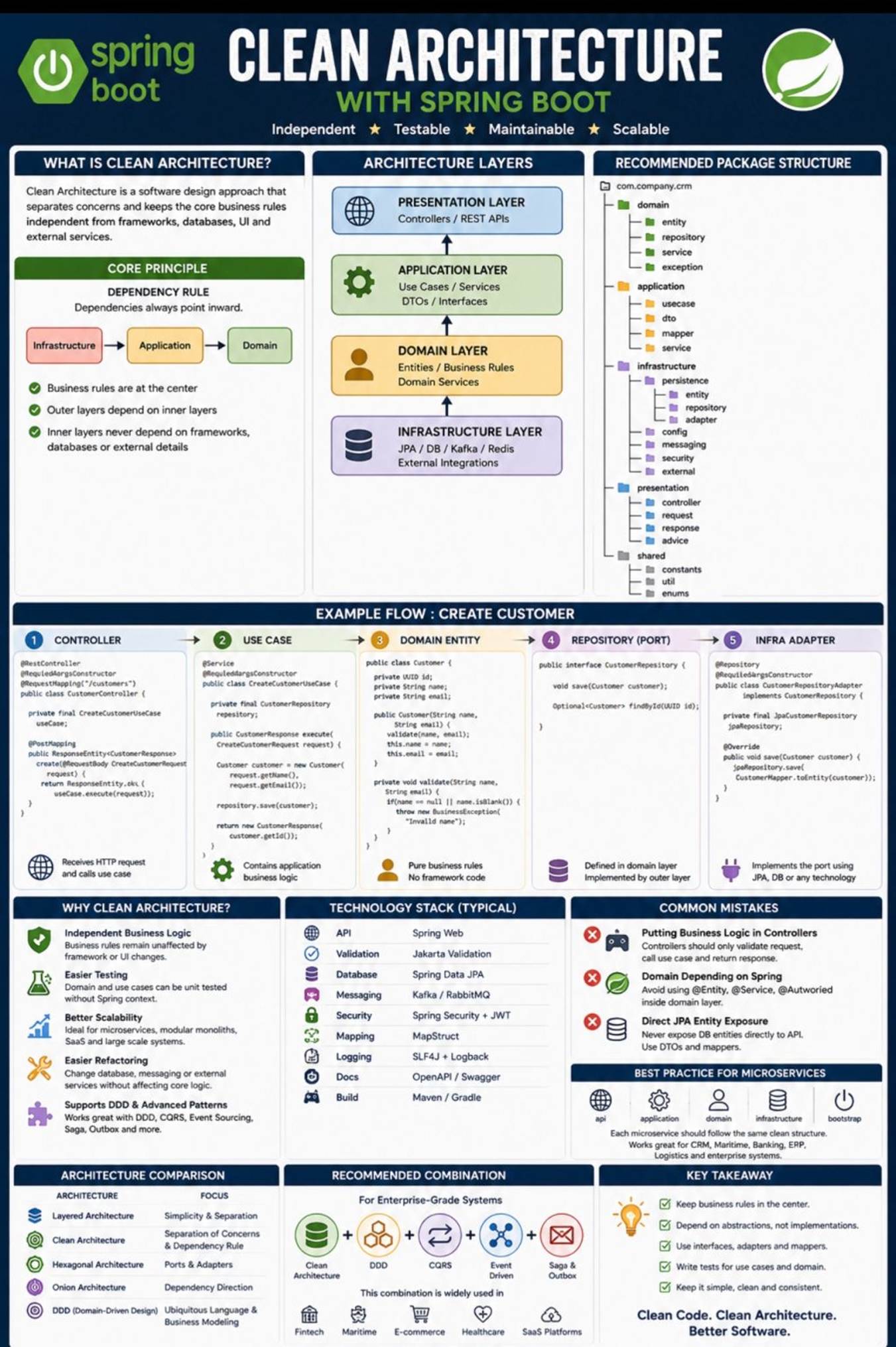
🔹 Microservices Architecture breaks
monoliths into independently deployable services, enabling team autonomy,
isolated scaling, faster releases, and better fault isolation in large
cloud-native systems.
🔹 Event-Driven Architecture enables
asynchronous communication through events, allowing loosely coupled services to
react in real time, scale independently, and remain resilient under variable
workloads.
🔹 Sidecar Pattern deploys helper components
alongside applications, offloading cross-cutting concerns like logging,
security, and networking without polluting core business logic.
🔹 Strangler Fig Pattern modernizes legacy
systems incrementally by gradually routing functionality to new services,
minimizing risk while avoiding costly, disruptive full rewrites.
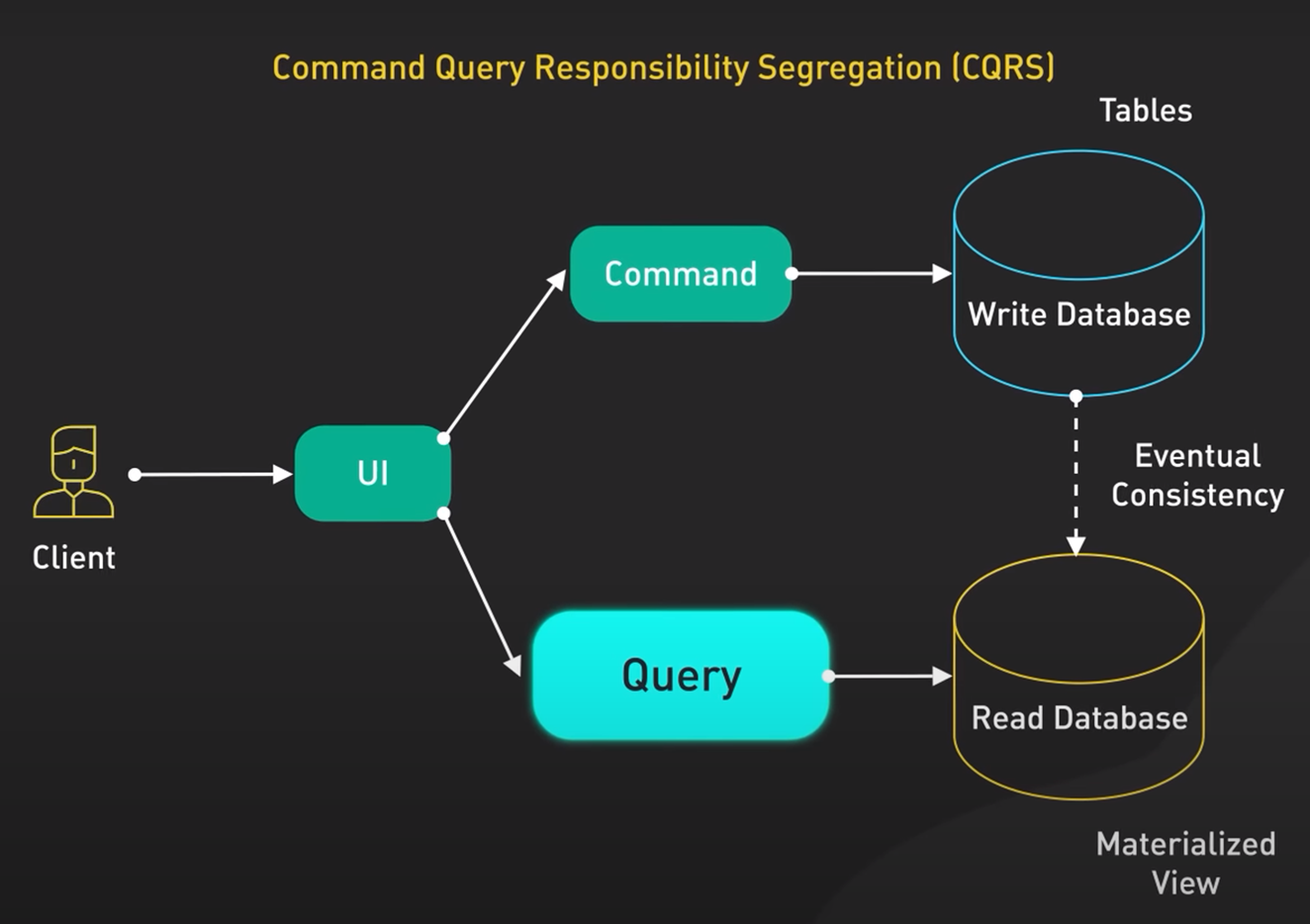
🔹 Database Sharding (Horizontal Scaling)
distributes data across multiple nodes, improving throughput, reducing
contention, and supporting global-scale applications with massive read and
write demands.
🔹 Serverless Architecture executes code on
demand using managed cloud services, eliminating server management while
enabling rapid development, automatic scaling, and cost efficiency for
unpredictable workloads.
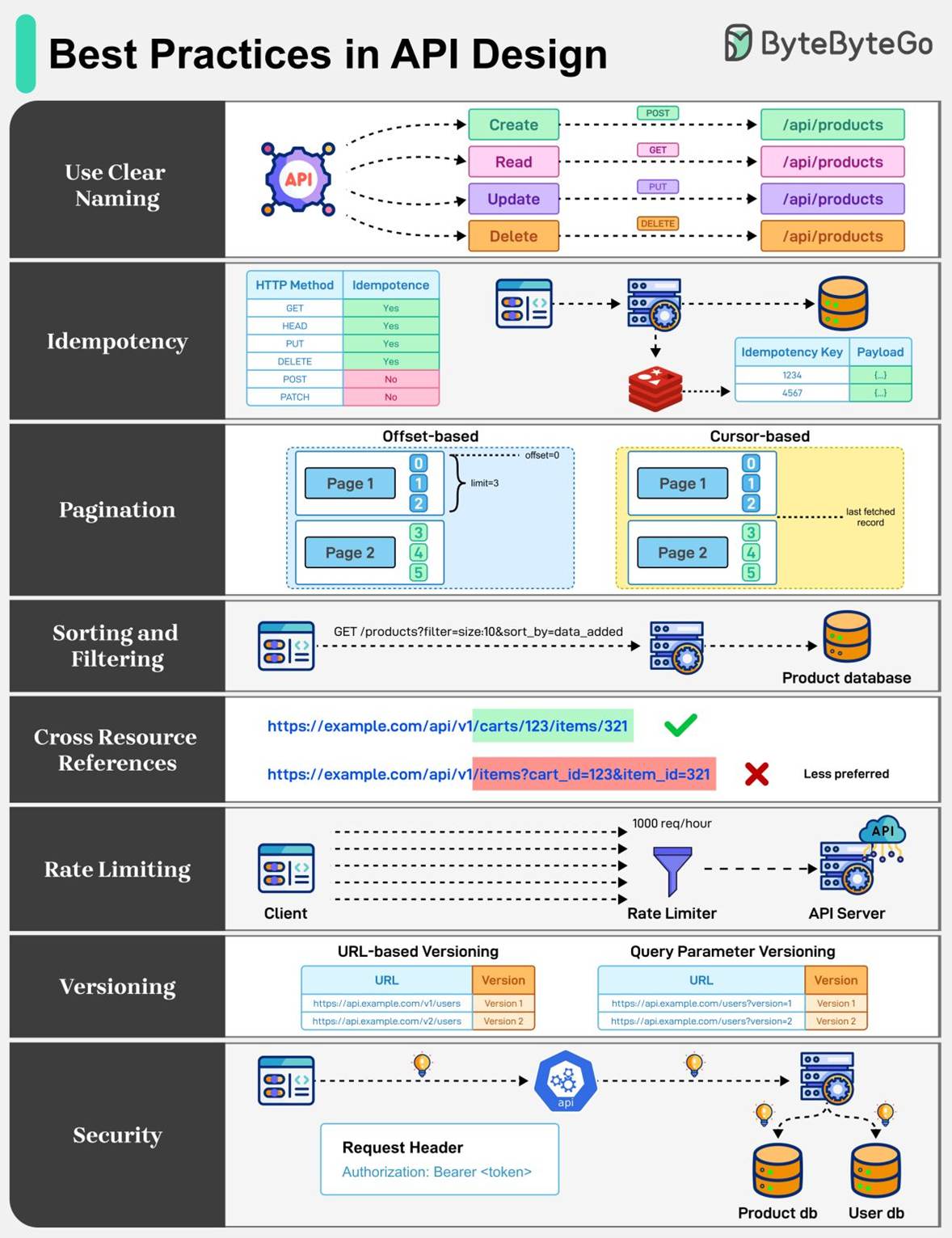
🔹 API Gateway Pattern centralizes client
access, handling routing, authentication, throttling, and observability while
simplifying client logic and securing backend microservices.
💡 These patterns are not theory — they’re
battle-tested strategies used daily in real-world cloud systems handling scale,
change, and failure.

